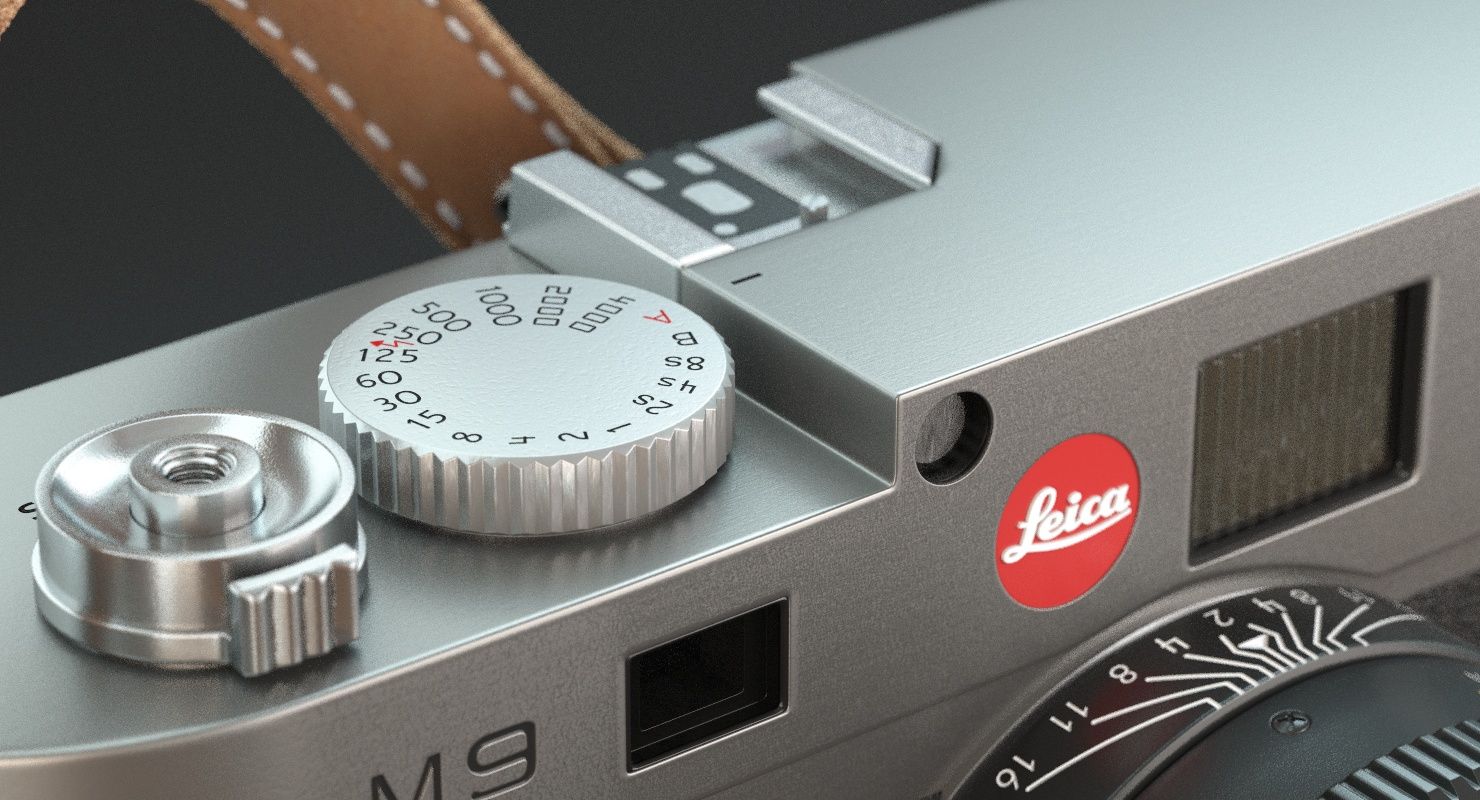
The Leica M9: Three Years of Missing Out
I bought an M-E from a close friend at Foto Braune in Berlin. Shot with it for six months. Then I sold it to buy a new lens for my Nikon Z bodies because it wasn’t serving as my primary camera.
Within two months, I regretted it. Not because I’d lost technical capability; the Nikons are objectively better at most things. I just missed having it with me. It was a feeling more than anything rational.
I couldn’t get another M-E. It was already vintage by 2022, almost twelve years old at that point. So I spent three years thinking about it. Then in 2025, I bought an M9 from a shop in the UK.
The M9 is essentially what I was looking for. And now I understand why I regretted selling the M-E.
The feeling of having it with you
The M-E was compact. It didn’t announce itself. You could carry it and it would sit there, unobtrusive, until you needed it. The rendering was distinctive: saturated, rich, with character. Leica’s colour science on that camera was specific: reds and magentas that worked beautifully, no yellow cast.
But mostly, it was just nice to have with you.
The Nikon is better at many things. Better autofocus, better high ISO, more versatile. But it’s also heavier. More complicated. When you pick it up, you’re committing to a specific kind of work.
The M-E was different. You could just have it. And then, when the light was right, or when you wanted a particular aesthetic, you’d use it.
That’s what I missed. Not the specs. The feeling of having it.
What the M9 actually is…
The M9 renders with high contrast and saturated colour. It’s got that Leica signature - richer reds and blues, no yellow cast. The blacks are rich. The micro-contrast is distinctive.
When I’m shooting for a specific aesthetic (Wes Anderson colour, film noir in colour, golden hour work, sunset and beach), the M9 delivers what I’m looking for. It’s got a character that modern cameras, even the M-EV1, don’t quite match.
The ISO limitation is real. You can’t push it beyond 800 without degradation. But that’s not actually a problem when you’re using this camera for what it’s designed for. When you’re waiting for good light anyway, the ISO constraint is irrelevant.
Why this camera, why now?
The M9 won’t be my primary camera. The M-EV1 is better for that - more versatile, more capable, more comfortable to use.
But the M9 is what I reach for when the aesthetic matters. When I want that specific rendering. When I want something compact that has character.
I spent three years regretting selling the M-E. I’m not making that mistake again. This one isn’t going anywhere.